
Practical guidance forsafer, more reliable battery use.
Find straightforward guidance on automotive battery care, industrial battery quotes, UPS replacement planning and safe battery handling—at home, on the road and at work.
Battery guidance for drivers and facilities
Clear answers to common questions from vehicle owners, facility managers and field teams.

What to Check When the Engine Cranks Slowly in the Morning
Slow cranking on the first start of the day does not always mean the battery has failed. Parking time, terminal condition and dashcam settings can help narrow down the cause.

Why You Should Check the Battery Before Winter
Cold weather reduces available battery output. Checking battery age and cranking performance before winter can help prevent an unexpected no-start.
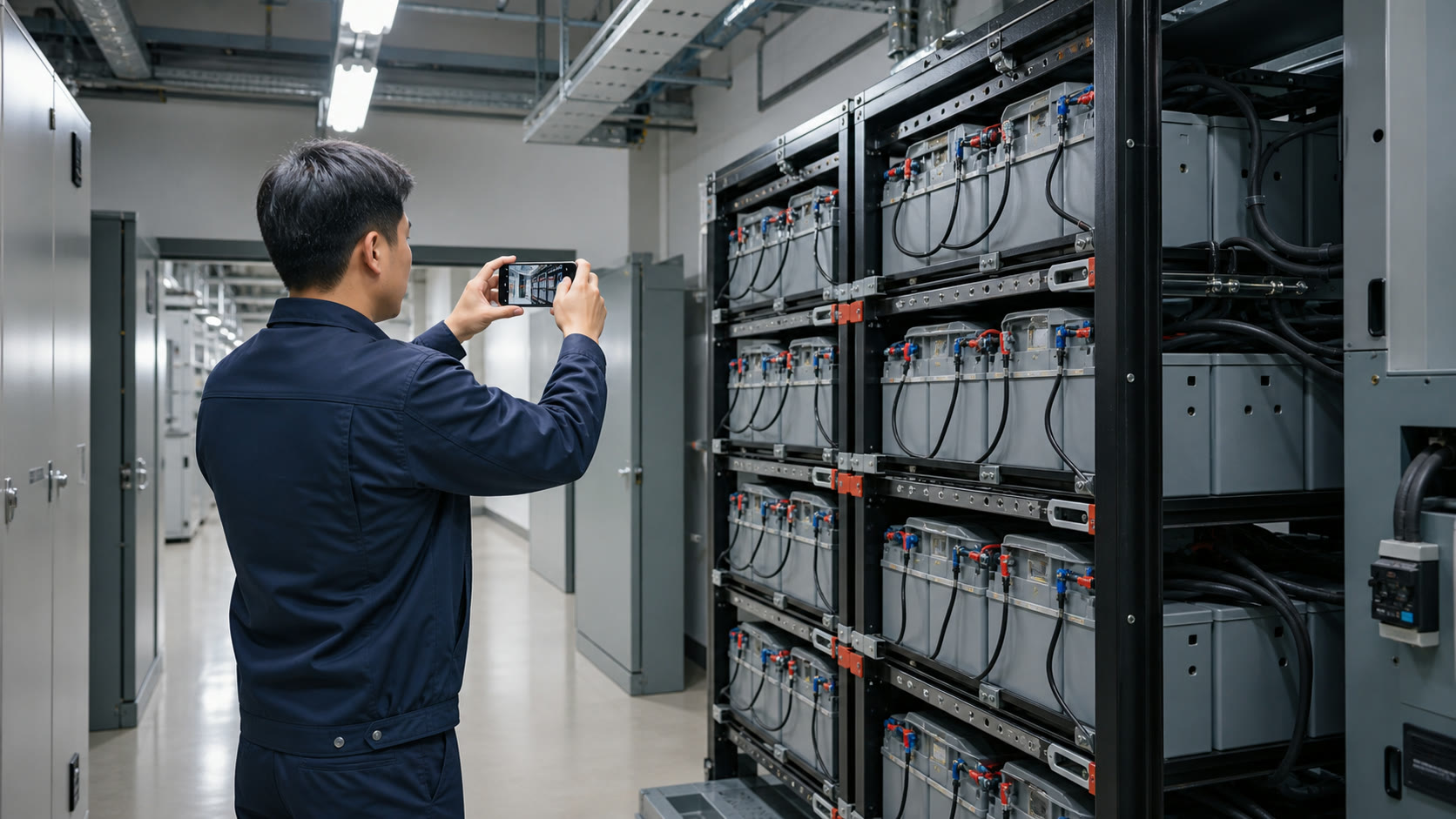
How to Take Photos for a Faster Industrial Battery Quote
A model number alone is rarely enough. Photos of the label, full rack, work area and access route help us estimate installation scope and schedule.

When Should UPS Batteries Be Replaced?
Shorter backup time and recurring warnings often appear before failure. Planning replacement early reduces operational risk and allows a safer work window.
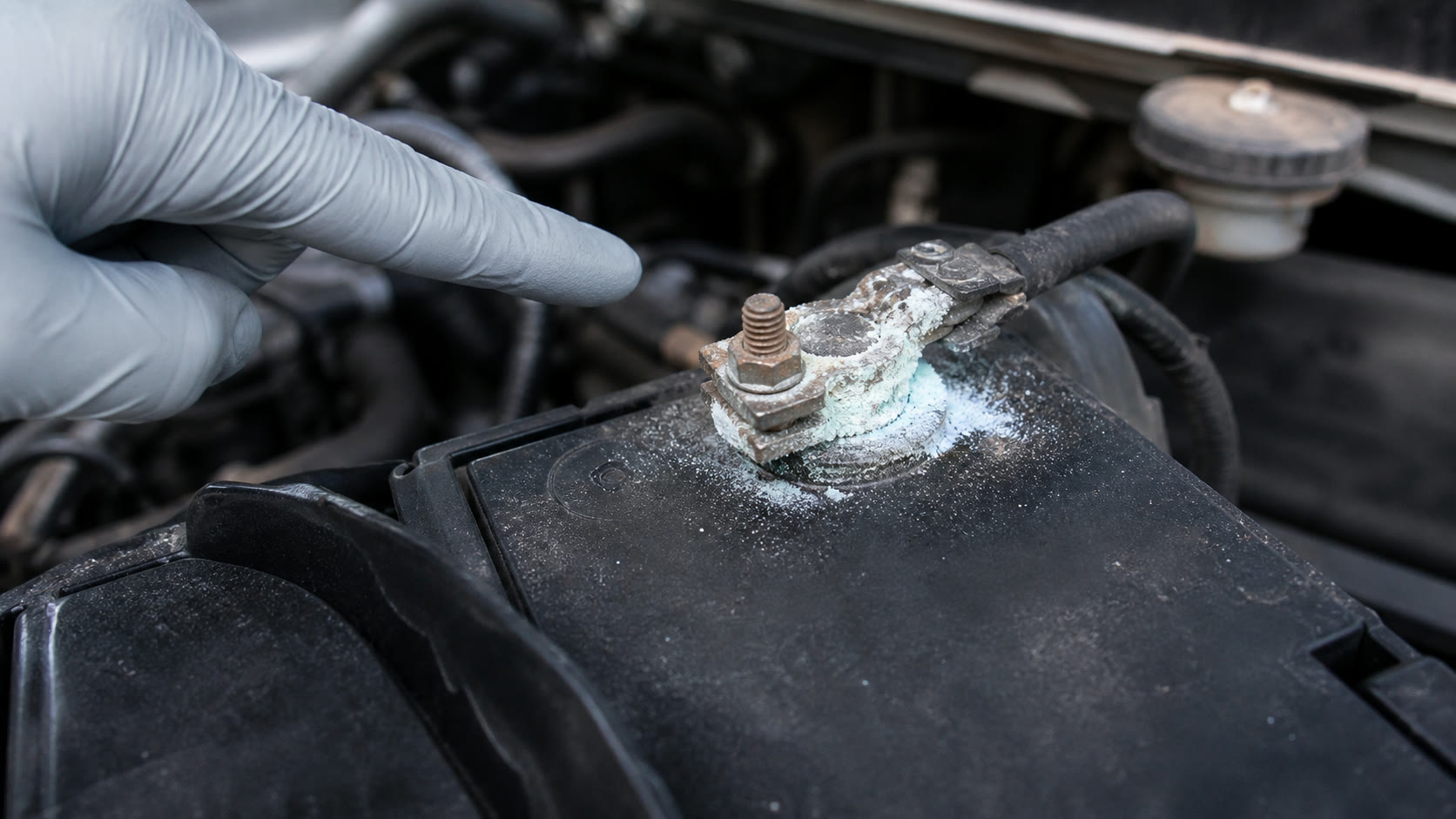
What White Powder on a Battery Terminal Means
White or blue-green buildup can increase electrical resistance and feel like a weak battery. Inspect the terminal safely before assuming the battery itself has failed.

When Dashcam Parking Mode Drains the Battery
A dashcam continues drawing power while the vehicle is parked. Parking duration, low-voltage cutoff and battery condition determine whether it becomes a discharge risk.
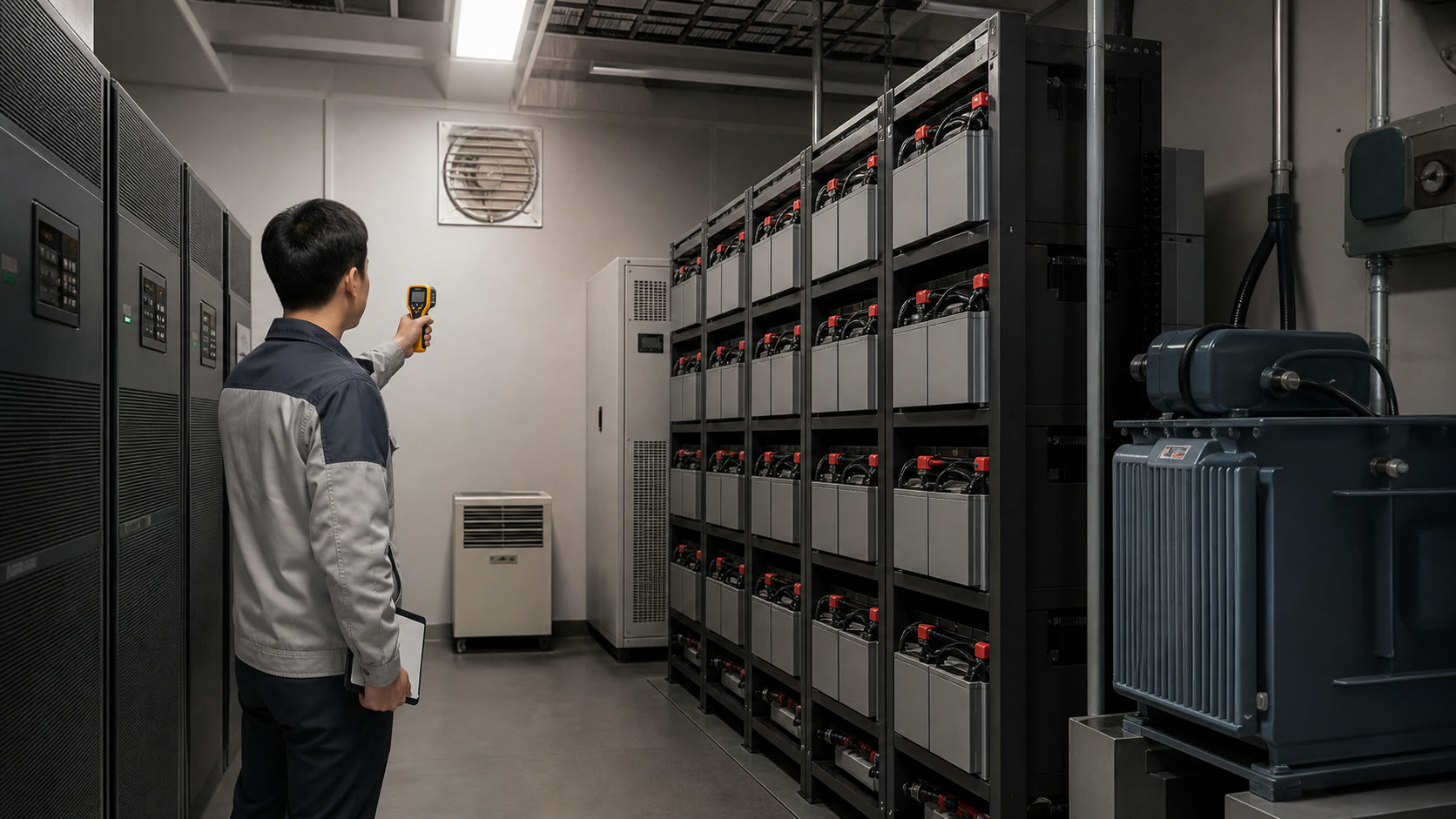
Why Battery-Room Temperature Affects Service Life
Sustained heat accelerates battery aging. Temperature, ventilation and distance from heat sources should be reviewed with the battery specification.
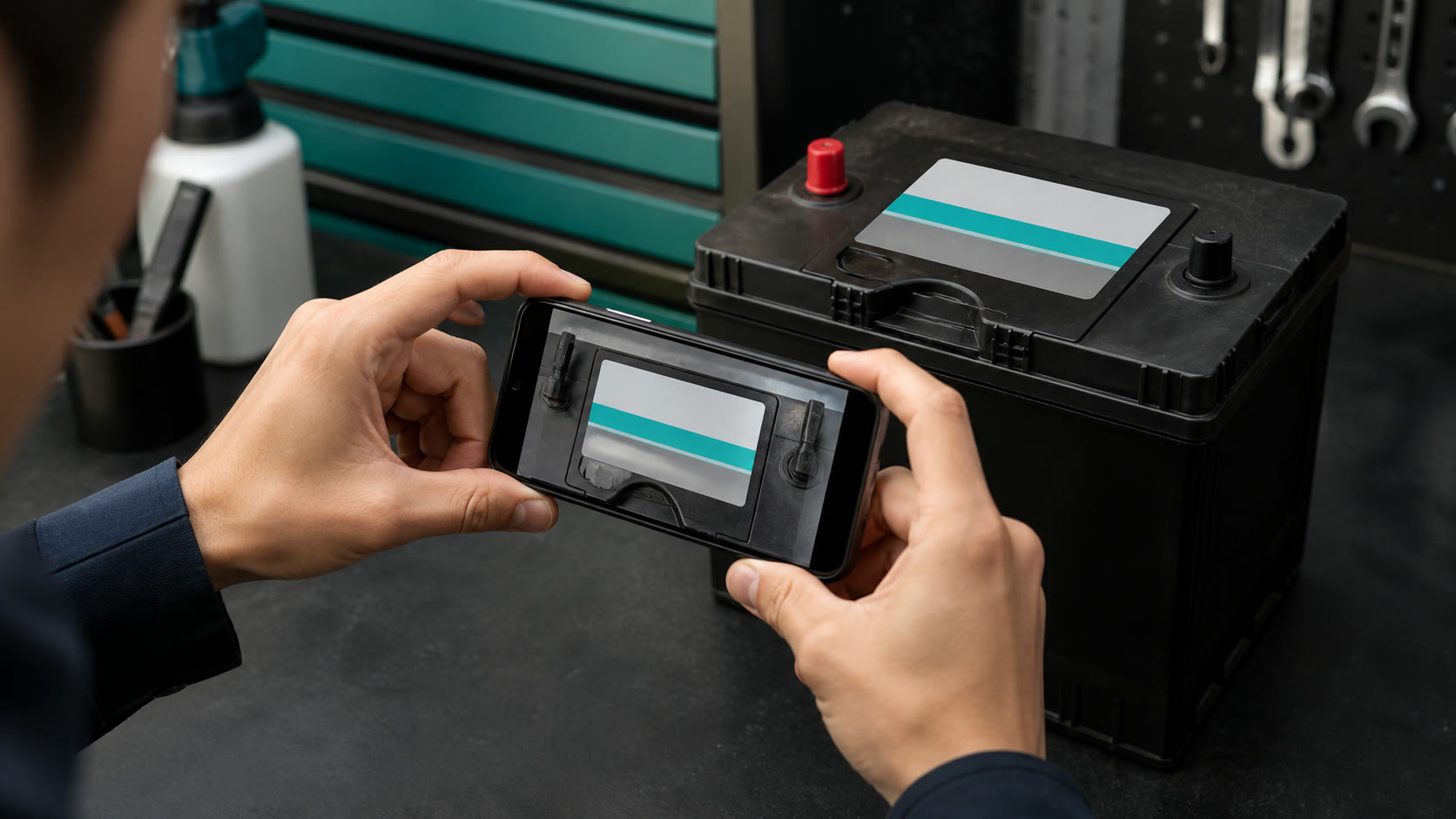
The Battery Label Information That Matters
Voltage, capacity, model and manufacturing details on the label are the starting point for confirming compatibility and preparing a quote.

What to Check After a Jump Start
A jump start gets the engine running again, but it does not explain why the battery discharged. Pay attention to the next start and the charging system.

What to Confirm Before a Forklift Battery Consultation
Forklift and logistics-equipment batteries depend on duty cycle, charging method, connector type and installation space as well as rated capacity.
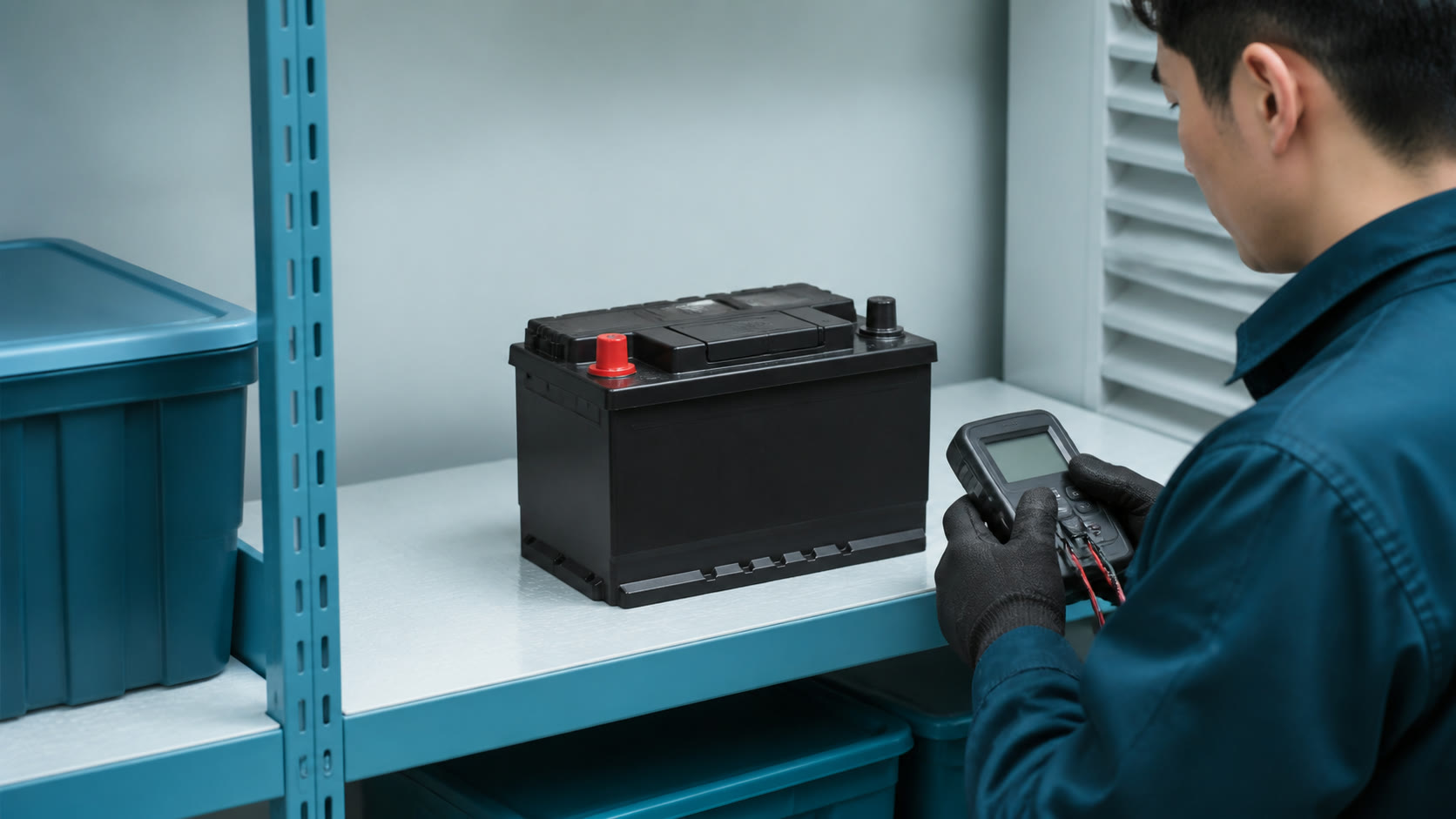
How to Store an Unused Battery
A battery continues to self-discharge in storage. A cool, dry location, correct charge level and periodic checks help prevent avoidable damage.

Why Test the UPS Before the Rainy Season
Power disturbances are not the time to discover reduced backup capacity. A planned UPS check can reveal warnings, weak batteries and environmental risks early.
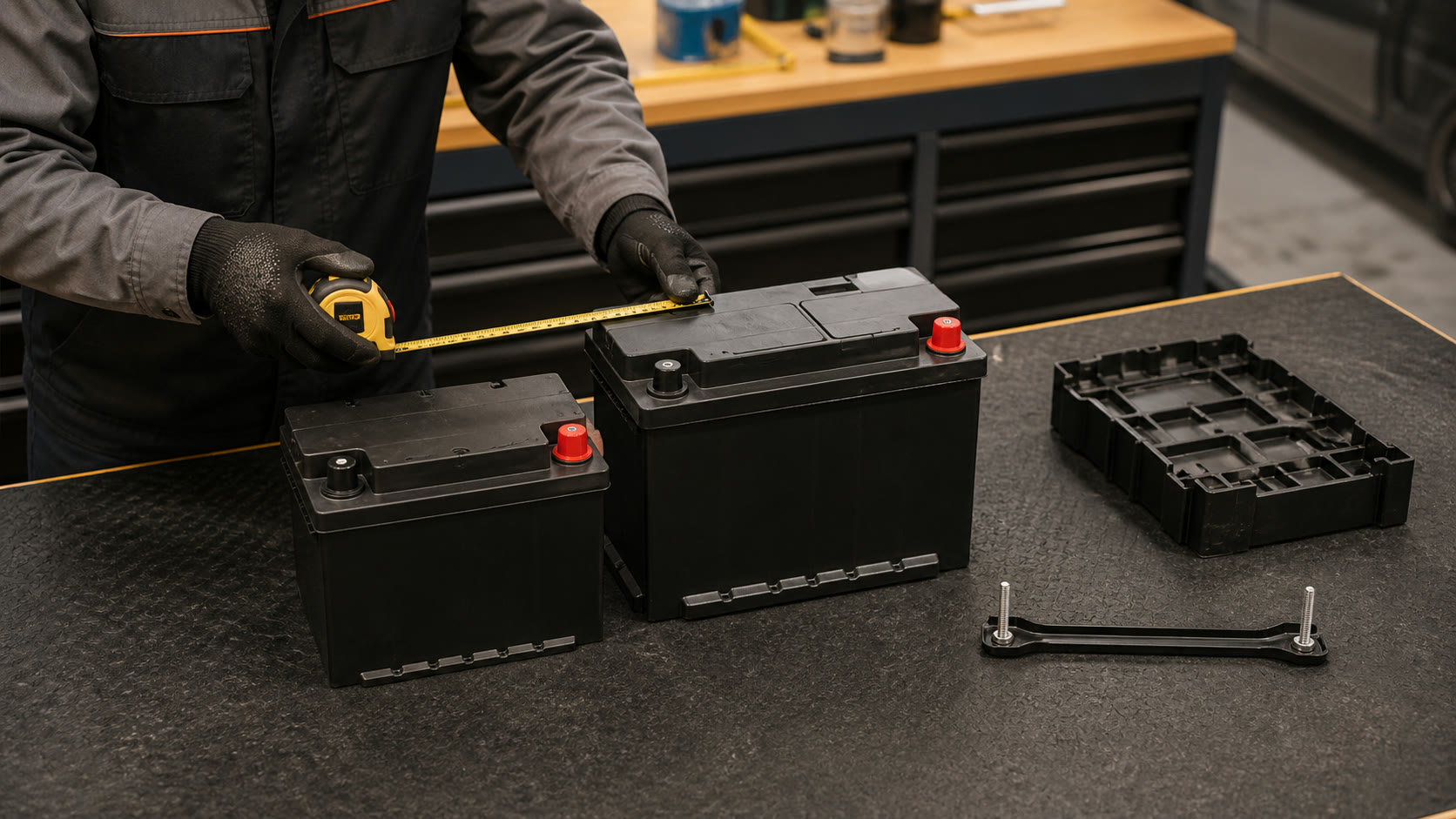
Is a Higher-Capacity Battery Always Better?
A higher capacity rating is not automatically better. Voltage, equipment requirements, physical size, terminals and charging characteristics must all match.

How to Set a Battery Inspection Interval
Inspection frequency should reflect operational risk, environment, battery age and manufacturer guidance rather than one fixed calendar rule.

Why Used-Battery Removal Should Be Planned Early
Removal and lawful handling of used batteries affect labor, access, scheduling and quote scope. Confirm responsibility before installation day.

Why Repeated Short Trips Can Weaken a Car Battery
Starting consumes substantial energy. If each trip ends before the charging system restores it, the battery can gradually remain undercharged.

UPS Battery Replacement Checklist for Server Rooms
In a server room, outage planning and work sequence may matter as much as the product. Confirm load, bypass, access and monitoring before replacement.
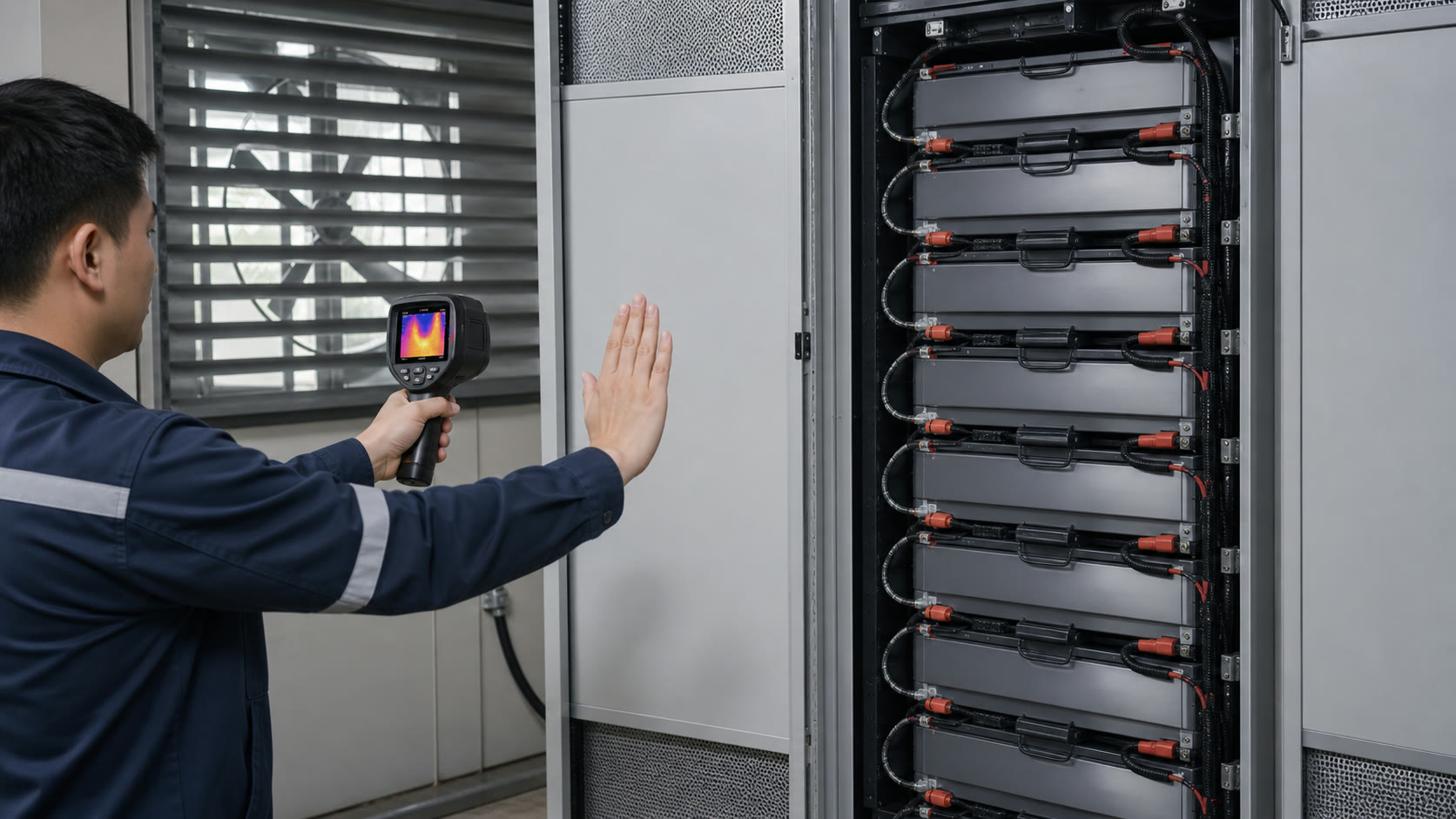
What to Do When You Notice an Unusual Battery Odor
An unfamiliar odor near a battery can indicate overheating, leakage or charging trouble. Treat it as a safety signal and avoid direct contact.

Five Photos to Send Before a Battery Consultation
The right photos reduce follow-up questions: label, terminals, full installation, work space and access route provide a useful first view.

Why Battery Replacement Records Matter
Dates, models, test results and symptoms make future decisions faster and help separate normal aging from repeated discharge or system issues.
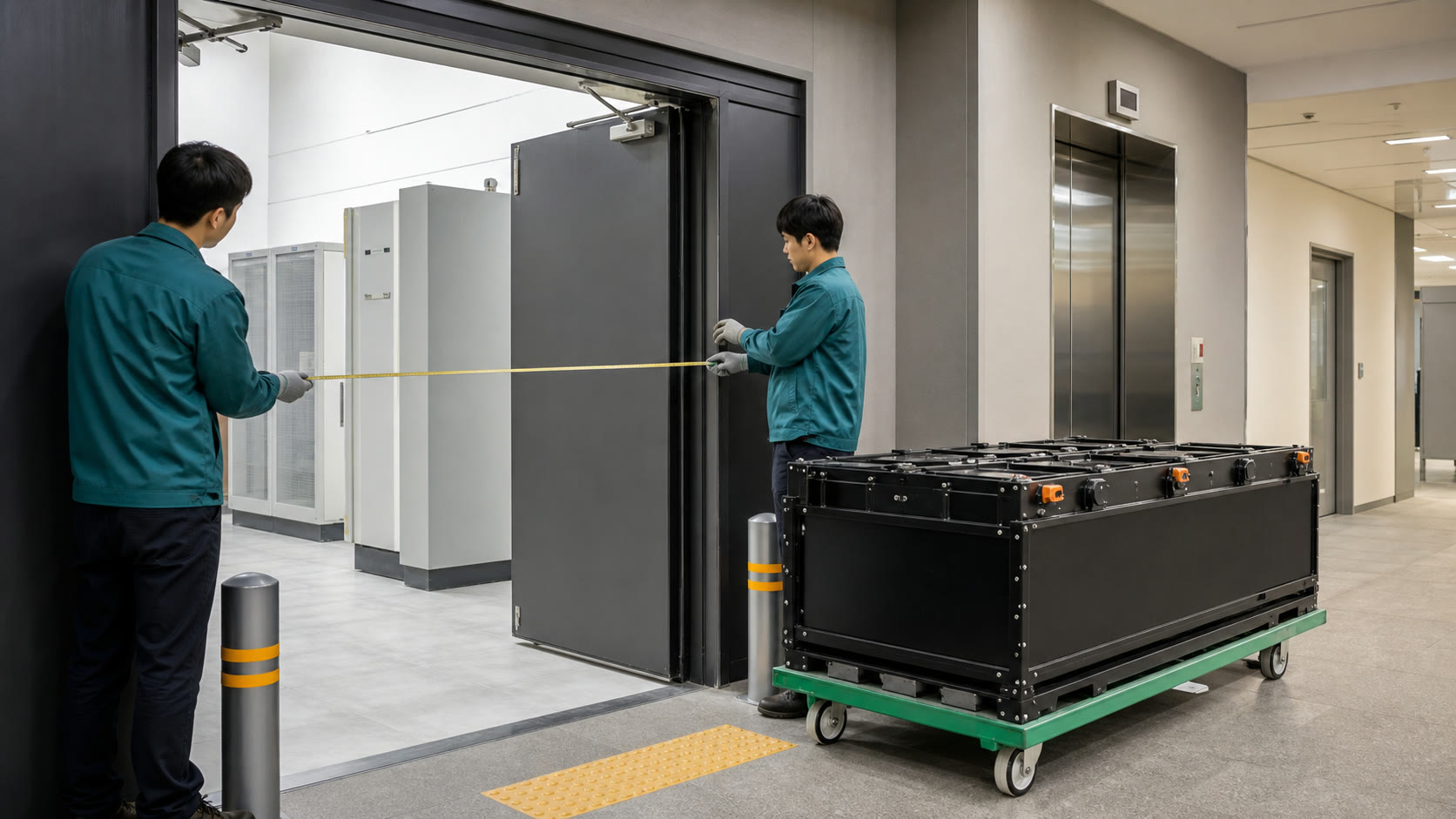
Why the Access Route Matters in Industrial Battery Installation
Battery weight and dimensions make the route from the loading point to the equipment room a key part of installation planning and cost.
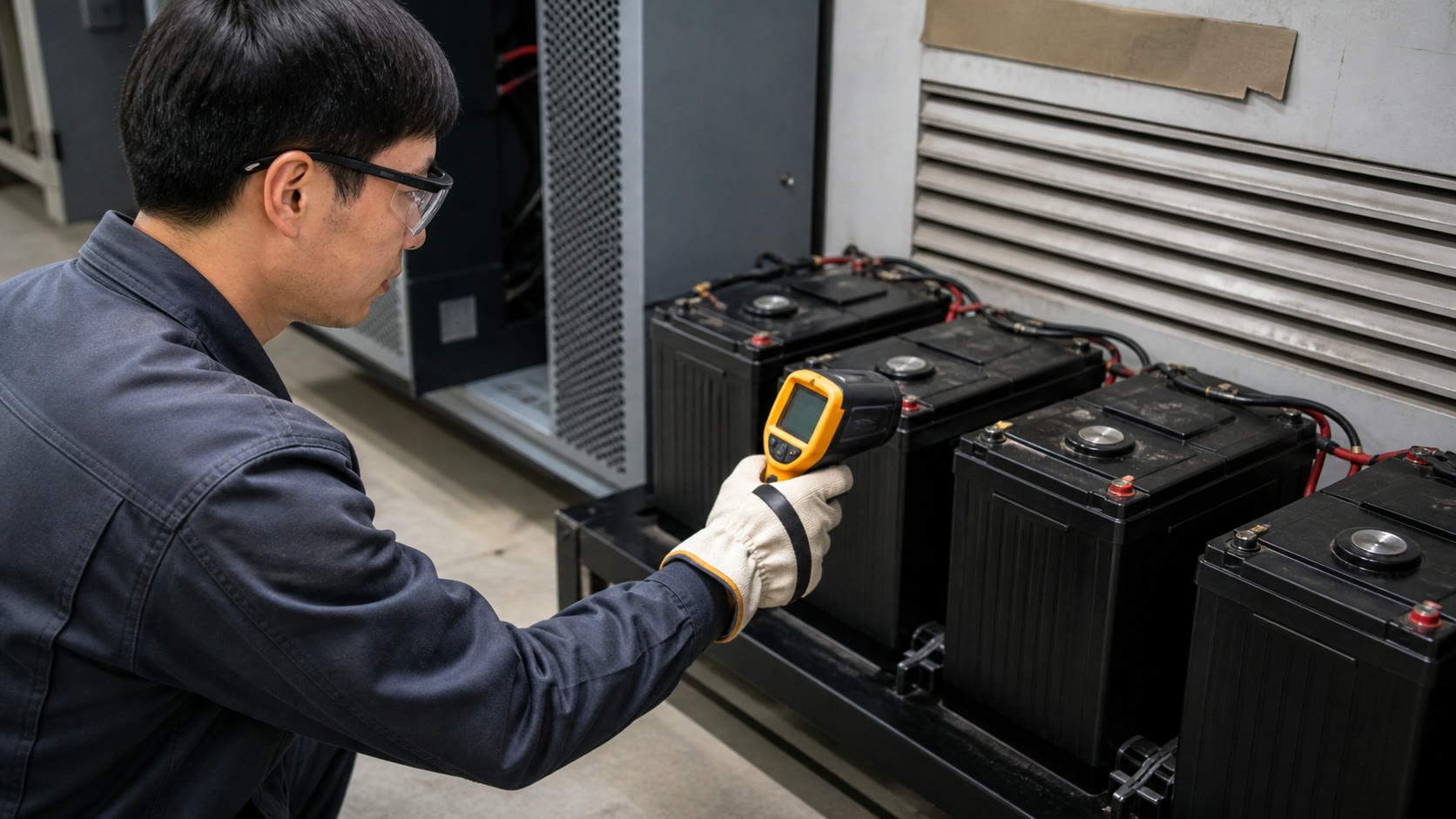
What to Do When a Battery Feels Unusually Hot
Repeated or excessive heat can point to a charging problem, poor connection or internal battery fault. Treat it as a warning and arrange a safe inspection.

Battery Inspection After Flooding or Moisture Exposure
Water exposure can create delayed corrosion, contamination and electrical risk. Do not re-energize equipment until the affected system is assessed.

What Really Matters When Choosing a Battery Brand
Brand recognition is only one factor. Correct specification, verified supply, availability and after-sales support matter more to reliable operation.

When a UPS or Battery System Makes an Unusual Noise
A new buzzing, clicking or alarm sound can signal switching, cooling or charging trouble. Record the pattern and request inspection when it persists.
What to gather before contacting us
These details help us confirm the battery specifications and likely installation scope more quickly.
Not sure what your battery is telling you?
Send photos and a short description, and our team will review the situation for your vehicle or facility.